
Introduction
In today’s saturated digital marketplace, visuals aren’t just decoration; moreover, they are your brand’s voice, first impression, and emotional hook. At Spy Designs Content Creation, we help small brands look bold, feel authentic, and connect deeply with their audience using visual storytelling. This article shows how visual storytelling builds unforgettable brand identity, with actionable tips, real examples, and insights you can use right now.

What Is Visual Storytelling & Why It Matters
-
Definition: Visual storytelling is the process of using images, graphics, illustrations, video, and visual composition to tell a brand’s narrative. For example, it can show a company’s mission or values without using a single word.
-
Impact on brand identity: People remember pictures more than text. Visuals can evoke emotions, build trust, and help a brand stand out. Keywords like brand identity, visual narrative, emotion in branding matter here.
-
SEO angle: Visual storytelling helps increase engagement (time on page, lower bounce), shareability (social signals), and brand recall—all of which help search ranking and conversions.
The Core Elements of Visual Storytelling in Brand Identity
-
Logo & Symbolism
A logo distills your story into a symbol. Whether minimalist or complex, it should reflect your values (e.g. environmental, playful, luxurious). -
Color Palette & Typography
Colors carry psychological meaning. Similarly, typography sets the tone, whether serious, friendly, or modern.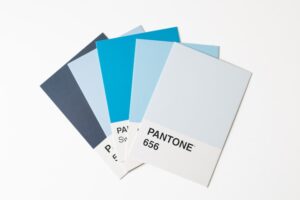
-
Imagery Style & Illustration
Stock images vs. custom photography or illustrations. Authentic visuals vs generic ones. For example, custom illustration can convey personality more clearly than stock photography. -
Layout & Composition
How content is arranged—a clean layout, contrast, whitespace, focal points—impacts how people consume the message. -
Narrative arc
Even visual content follows a story: problem → journey → solution. For example, before/after imagery, process photos, customer-journey visuals.
Practical Steps for Brands to Use Visual Storytelling
-
First, audit your current brand visuals. Next, collect all touchpoints, including your website, social media, and print materials. Then, identify inconsistencies in style, typography, and color.

-
Define your story: What is your mission? What sets you apart? Who is your customer? A short brand narrative (1-2 sentences) helps guide design decisions.
-
Create brand style guidelines: A document that includes logo usage, color palette, typography, image style rules.
-
Produce sample content: Start small — one social media campaign, one set of icons, one infographic. Use real images whenever possible.
-
Measure & iterate: What content gets likes, shares, comments? What visuals lead to conversion? Use that data to refine your style.
Real-World Examples: Brands Doing Storytelling Right
-
A local coffeehouse that uses rustic, hand-drawn illustrations and warm tones to convey community and comfort.
-
An eco-friendly skincare line that shows transparency: photos of sourcing, manufacturing, and raw ingredients instead of polished studio shots.
These examples aren’t about perfection; they’re about clarity and personality. If your visuals reflect who you are and resonate with your audience, your brand identity becomes memorable.
Common Mistakes to Avoid
-
Inconsistency: Changing logos, mixing typography, or using random imagery styles confuse your audience.
-
Over-designing: Too many design elements can overwhelm. Simpler visuals with strong narrative often win.
-
Neglecting accessibility: Poor contrast, unreadable fonts, or non-descriptive images hurt both brand impression and SEO.
Internal Links (within Spy Designs site)
-
For help defining your brand voice & narrative: see our page “Brand Strategy Services“
-
Need custom graphic design? Check out “Graphic & Branding Packages”
-
Want to see how visual storytelling boosts online conversion? Read our case study “Visual Identity + Conversion Metrics”
External Resources & Further Reading
Conclusion
Your brand isn’t just what you say—it’s what people see, feel, and ultimately recognize. Therefore, applying visual storytelling consistently will make your brand memorable and meaningful. By applying visual storytelling to your identity—through logo, colors, imagery, narrative—you build something memorable and meaningful. At Spy Designs Content Creation, we believe every small brand deserves to be seen, heard, and remembered. If you’re ready to bring your visuals to life, start with authentic story, consistent design, and purpose.